Small vs. Large Assisted Living: Why Intimate Settings Assistance Much Better ADLs
Business Name: BeeHive Homes of Crownridge Assisted Living & Memory Care
Address: 6919 Camp Bullis Rd, San Antonio, TX 78256
Phone: (210) 874-5996
BeeHive Homes of Crownridge Assisted Living & Memory Care
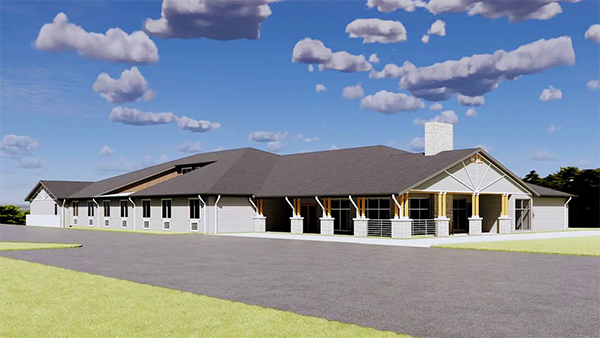
We are a small, 16 bed, assisted living home. We are committed to helping our residents thrive in a caring, happy environment.
6919 Camp Bullis Rd, San Antonio, TX 78256
Business Hours
Choosing an assisted living neighborhood is rarely just a housing choice. For most households, it is a turning point in a loved one's every day life, particularly around the most individual routines: getting dressed, bathing, managing medications, and simply receiving from bed to chair without a fall. Those Activities of Daily Living, or ADLs, are exactly where small, intimate assisted living settings frequently exceed big, campus-style communities.
I have actually toured, evaluated, and helped location seniors in both kinds of settings over the years. The pattern corresponds. Large buildings use attractive amenities and busy calendars. Small homes tend to use more trusted, more personalized assist with the basics that really keep somebody safe and dignified. The distinctions are subtle on a brochure, and striking in real life.
This short article looks carefully at why that takes place, how to decide what your loved one actually requires, and where large communities still have an edge. The objective is not to declare a universal winner, however to match environment to individual, specifically around ADLs and hands-on elderly care.
What ADLs Really Mean in Daily Life
Professionals utilize "ADLs" constantly, so households in some cases nod along without completely imagining what is included. For placement decisions, it deserves slowing down and translating lingo into lived moments.
ADLs generally consist of bathing or showering, dressing, grooming, toileting, moving (for example, bed to chair), and eating. In some cases strolling or using a movement device is added to the list. On paper, it sounds like a list. In reality, each ADL has layers.
Bathing is not just stepping into a shower. It is getting somebody to agree to bathe, adjusting water temperature level, supporting a weak knee, washing hair thoroughly, and making certain they are totally dried to prevent skin breakdown. If your mother has dementia and dislikes water on her face, a rushed bath can feel like an attack. A calm, familiar caretaker who understands how to talk her through it can turn a feared experience into a tolerable routine.
Dressing can be the trigger for agitation if somebody is pushed to hurry, or it can be a chance for discussion and orientation. Moving securely needs both adequate staff and the ideal strategy, or the danger of falls goes up fast. Toileting assistance is deeply intimate and strongly connected to dignity. Small breakdowns in any of these areas tend to snowball: skipped baths, bad hygiene, and an increased threat of urinary tract infections, falls, and hospitalizations.
Because ADLs are so relational, the staff-to-resident ratio, the rate of the environment, and the consistency of caretakers matter as much as any official care plan. This is where size comes into play.
How Size Shapes Care: The Structural Differences
When households compare communities, they often look first at rate, location, and appearance. Size hides in the background until you link it to what the day actually looks like for a resident.
Large assisted living neighborhoods normally have dozens, often hundreds, of locals. Wings or floorings may be divided by level of care, memory care, or independent living. The structure often seems like a hotel, with a front desk, commercial kitchen, and official dining-room. Staffing is scheduled in blocks: day shift, evening, overnight. Ratios can differ commonly, however many big homes hover around one direct care staff member for 8 to 15 residents throughout the day, with less at night.
Smaller settings can mean various designs. Some are "residential care homes" or "board and care" homes, often in a transformed home with 6 to 12 residents. Others are small lodges or cottages with 10 to 20 residents organized together. Staffing is generally more versatile and less layered. You might see one caregiver for 3 to 6 locals during the day, plus a med tech or nurse who also understands each resident personally.
From the outdoors, a large structure might feel more excellent. Inside, size quickly affects three things: the time a caretaker can spend with everyone, how well staff know private histories and habits, and how rapidly somebody reacts when a resident requirements assist with an ADL. For seniors who still manage nearly whatever on their own, the distinction might feel small. For those requiring hands-on assisted living assistance multiple times a day, it becomes central.
Why Intimate Settings Tend to Support ADLs Better
Over time, I have actually seen small neighborhoods outperform larger ones on ADL outcomes for 3 primary factors: connection of relationships, slower pace, and fewer handoffs.
In a small home, the staff typically understand each resident's early morning rhythm. They bear in mind that Mr. Carter needs 10 minutes to "heat up" before he can pivot securely out of bed, or that Mrs. Lee prefers to shower every other night after her preferred program. That understanding is not simply composed in a chart. It lives in the staff due to the fact that they perform the very same ADLs with the exact same people day after day.
In big structures, staffing lineups typically alter more regularly. A resident may see 3 various care aides within 2 days, particularly throughout shift modifications. Each assistant suggests well, however they might not know that your father tends to get orthostatic lightheadedness when he stands too quickly, or that your mother requires a calm, repeated hint to sit totally back before a transfer. That lack of familiarity shows up in hurried showers, half-finished grooming, and a tendency to back off when a resident withstands, just due to the fact that the caregiver can not invest the additional 15 minutes it would require to develop trust.
The physical layout matters too. In a 120-bed community, a caretaker may be accountable for 2 hallways and invest half their time strolling from space to room. If your parent rings for assistance getting to the toilet, staff may be 6 rooms away dealing with another resident's fall. Even a five to 10 minute hold-up can be the difference between safe toileting and an incontinent episode that weakens self-respect and increases skin risk.
In a 10-resident home, caregivers are hardly ever more than a few actions away. They can hear someone moving toward the restroom, or notification that Mr. Johnson did not come out for breakfast and go check. Lots of ADLs are resolved preemptively, because personnel see and respond to subtle changes before they end up being crises.
A Day in the Life: Big vs. Small, Through ADL Lenses
Imagining a day can clarify the trade-offs better than any abstract chart.
Picture a large assisted living community. Breakfast is served from 7:30 to 9:00 in the main dining-room. Transit time from a resident room might be a long hallway plus an elevator trip. One caretaker on the wing has eight residents requiring some level of assistance up and down. The early morning rapidly becomes a rush. Citizens who stroll individually go first. Those who need assistance dressing and moving may not reach the dining room up until 8:45 or later on. Personnel do their finest, but a resident who is slow or resistant may have their bath "pushed" to the afternoon, then to another day.
Now image a small residential care home with 8 citizens. Morning is still a busy time, but the environment is quieter and more versatile. Breakfast is often served at a family-style table near the bed rooms, and caretakers can serve homeowners in pajamas if required, then help them dress later. The personnel are rarely more than a space away when a resident calls. ADL assistance ends up being a series of small, constant interactions rather of a scramble to strike scheduled tasks.
I have seen citizens who were identified "resistant to care" in big settings move into small homes and accept bathing and dressing help with very little demonstration. The behavior did not change because of a habits plan in some abstract sense. It changed since personnel had time to technique gradually, use familiar language, change regimens, and build trust.
Staff Ratios, Training, and Real-World Care
Families typically request staff ratios as if a number alone will inform the story. Numbers matter a great deal, but context determines what they in fact mean.

In a small home with 6 locals and 2 caretakers on daytime shift, each caretaker has time to completely assist 3 people with early morning ADLs, assist with meal prep, and still respond to unscheduled requirements. If one resident has a particularly hard early morning, the other caretaker can cover. Residents see the exact same familiar faces, which supports those with dementia or anxiety.
In a large building with 60 locals on a flooring and 4 caretakers, the ratio on paper may seem comparable, but the work is more segmented. A single person may manage all showers, another might pass medications, another might be accountable for 2 corridors of call lights and fundamental ADLs. Training can be standardized and often more comprehensive, which is a genuine advantage. Nevertheless, when the environment is hectic and task-driven, staff might default to "get it done" rather of "do it in the way best fit to this person."
From a senior care point of view, training and supervision typically look better on paper in big communities. There is normally a nurse on site, formal in-service training, and corporate policies. Small homes differ commonly. Some are outstanding, with knowledgeable caregivers and strong nurse oversight. Others may be thin on official training, relying more on long-time personnel who "feel in one's bones" how to look after residents.
For hands-on ADLs, though, the easy question is: does my loved one get the time, repetition, and consistency needed to keep doing as much as possible for themselves, with support where required? Intimate settings tend to win on that, especially for senior citizens who have a mix of physical and cognitive needs.
When a Large Neighborhood May Be the Better Fit
It would be deceiving to say small is constantly much better for every older grownup. There are specific circumstances where a bigger assisted living community has clear benefits, even for locals with ADL needs.
Some senior citizens genuinely thrive on range, social energy, and structured activities. A retired teacher or executive who still delights in lectures, getaways, and several clubs may feel confined in a small home with just a few fellow citizens. Even if they require aid bathing and dressing, the general quality of life might be greater in a large, active setting.
Medical complexity is another aspect. While assisted living is not the like competent nursing, larger communities more frequently have 24/7 nurse presence, on-site rehab, or close relationships with going to doctors and therapists. For a resident with frequent medication modifications, fragile diabetes, or a new stroke, that scientific facilities can be valuable. In those cases, you might accept some compromises on one-to-one ADL time in exchange for better monitoring and rapid response.
Cost and accessibility likewise matter. In some areas, there are even more big neighborhoods than small homes, or the small homes have restricted openings. Families in some cases utilize big neighborhoods as a kind of respite care, providing a short-term break to caretakers while a loved one recuperates from a disease or while everybody evaluates longer-term alternatives. For a prepared brief stay, the richness of features in a bigger setting may balance out the threats of a less tailored ADL approach.
The secret is to be sincere about your loved one's priorities. If they mostly require friendship, light support, and take pleasure in busy environments, a big community can be a terrific fit. If they are modest, easily overwhelmed, or need regular, hands-on help with every ADL, a smaller setting normally serves them better.
The Role of Intimacy in Dementia and ADLs
Dementia makes complex every ADL. It impacts memory, sequencing, spatial awareness, language, and psychological regulation. A lot of the most challenging habits families report - refusing showers, striking out during toileting, pacing all night - develop from stress and anxiety and confusion, not stubbornness.
In a big, unfamiliar structure, somebody with dementia can feel lost memory care near me BeeHive Homes of Crownridge Assisted Living & Memory Care numerous times a day. They might forget where the bathroom is, misinterpret strangers strolling down the corridor, or feel rushed by personnel who are trying to keep to a schedule. That anxiety appears as resistance to care. Staff might explain the individual as "challenging", when in truth the environment is simply too stimulating and impersonal.
An intimate assisted living or small memory care home reduces the ranges and increases predictability. Locals see the same caregivers, the very same cooking area, the same view out the window every morning. Caretakers can utilize consistent scripts and rituals: the same joke before showers, the same warm washcloth to begin face washing. Gradually, this familiarity decreases resistance and makes it possible to preserve ADLs longer, even as cognitive decline progresses.
I keep in mind a resident who had actually been refusing showers in a larger memory care unit for weeks. She clenched her fists, screamed, and attempted to hit personnel. Household were informed she "just doesn't like baths anymore." When she moved into a 10-bed home, the caretaker observed that she relaxed whenever somebody hummed a particular hymn. They constructed a pre-shower routine around that tune, rerouted her to a portable shower she could see and control, and allowed her to hold a towel throughout her chest. Within 2 weeks, she was bathing routinely again. Nothing in her brain altered. The environment and the technique did.
For households browsing dementia, this is the heart of the small versus big question. Intimacy and repeating are not simply "good to have" qualities. They are tools that directly support ADLs.
Practical Distinctions Families Will Notice
When you tour communities, a few of the most telling hints are not in the brochure copy, however in the small interactions you witness. In a small home, you will often see caregivers and homeowners moving in and out of the kitchen area together, sharing small talk, and beginning ADLs naturally. A resident may be helped to clean up at the sink before breakfast, with a caretaker handing them a warm fabric and guiding each step.
In a large structure, ADLs are more often set up and segmented. Showers may be "Monday, Wednesday, Friday at 10:30," and if your mother declined at 10:35, she may not get another attempt up until the next scheduled day. Meals are at set times, and late sleepers might get "space trays" if they miss out on the window, frequently without the same level of social engagement or support with eating.
Noise level, lighting, and space style matter for ADL success. Small homes tend to feel domestically familiar, which lowers anxiety for many elders. Bright overhead lights and long corridors can be disorienting, especially for those with poor vision or cognitive decline. In a small setting, staff can more easily customize the environment. They may reduce the lights throughout evening care, play soft music throughout bathing times, or keep adaptive devices within reach.

Families also observe how quickly patterns are picked up. In small settings, if your father has problem with buttons, someone will most likely recommend pull-over shirts by the second or 3rd day, and you will see that reflected in how they assist him dress. In a big setting, the exact same observation may be buried amidst numerous residents' requirements, unless you or a strong advocate presses it into the written care plan and follows up.
A Simple Comparison Checklist for ADL Support
When you tour or assess options, it helps to have a concentrated lens on ADLs, not simply looks or activity calendars. Utilize this short list to compare how small and large settings might feel for your loved one:
- Ask staff to describe a common early morning for a resident who requires aid with bathing, dressing, and toileting. Listen for just how much time they allow, and whether the routine sounds hurried or versatile.
- Observe how personnel address residents in passing. Do they utilize names, touch, and eye contact, or are they mainly job focused and in a hurry in between spaces?
- Check how far spaces are from restrooms and dining areas. Picture your loved one making that journey three or four times a day.
- Ask how they adapt regimens for someone who refuses or fears bathing. Look for specific, concrete examples, not unclear peace of minds.
- Inquire about personnel connection. Do the same caregivers normally care for the exact same residents, or do assignments alter frequently?
You are listening less for polished answers and more for consistency, information, and indications that staff really know their homeowners as individuals.
The Role of Respite Care in Testing Fit
One underused technique for households is to deal with respite care as a trial run. Lots of assisted living neighborhoods, both big and small, offer short stays ranging from a few days to a couple of weeks. Throughout that time, your loved one lives in the community as a temporary resident, receiving the same senior care and elderly care services as long-term residents.
For ADLs, respite stays are extremely exposing. You will see how quickly staff learn your parent's regimens, how typically call lights are responded to, whether clothes are put away effectively, and if hygiene and grooming look maintained. Households in some cases discover that the impressive big neighborhood has a hard time to manage certain habits or ADL tasks, while a basic small home manages them efficiently. Other times, the reverse takes place, particularly if your loved one is more social and independent than you realized.
Respite care likewise provides your parent a voice. Even an individual with moderate cognitive decrease can frequently tell you whether they feel taken care of, hurried, lonesome, or safe. Take notice of whether they talk about "the people" by name in a small home, versus "the place" or "the building" in a larger one. That emotional connection typically correlates strongly with ADL success.
Balancing Self-respect, Security, and Independence
At the heart of all these decisions is a balancing act: dignity, safety, and self-reliance. Small, intimate assisted living settings tend to safeguard dignity and safety by carefully supporting ADLs and reducing the opportunity of lapses. They also, when done well, assistance independence by offering residents just enough assist, not too much.
An excellent caregiver in a small home will understand that Mrs. Daniels can still brush her teeth individually if somebody merely sets out the tooth brush and hints her to begin. In a busier environment, that exact same resident may have her teeth brushed for her since personnel are pressed for time. Over weeks and months, that distinction accelerates decline.
Large neighborhoods, when genuinely well staffed and well led, can absolutely keep strong ADL assistance. Some achieve this by producing small "neighborhoods" within a bigger school, limiting each caregiver's location and encouraging relationship-based care. Others purchase sophisticated training in dementia care strategies and hire adequate staff to prevent persistent rushing. These models sit closer to the "finest of both worlds," however they tend to be at the greater end of the cost spectrum.
In completion, your option will seldom be about perfection. It will have to do with trade-offs. Facilities versus intimacy. Range versus predictability. On-site services versus day-to-day one-to-one time. For older adults who require constant, hands-on assist with bathing, dressing, toileting, and mobility, smaller, more intimate settings frequently tip the scales, because they convert staff hours into genuine, tailored care.
Questions to Ask Yourself Before Deciding
As you weigh alternatives, it assists to step back from marketing language and ask yourself a couple of grounded questions about ADL assistance:
- Which environment will allow staff to truly understand my loved one's routines, worries, and preferences around bathing, dressing, and toileting?
- If something goes wrong - a fall, a refusal to shower, a bout of confusion - where are personnel more likely to have time to problem-solve rather than default to crisis mode?
- Does my loved one gain more from day-to-day social range or from predictable, familiar faces guiding them through vulnerable jobs?
- How much am I counting on facilities to make me feel better versus what my loved one really uses and enjoys?
- Could a brief respite care remain in a couple of settings help us see which environment better supports ADLs in practice?
Clear responses to these concerns generally point strongly towards either a small or large setting as the much better first choice.
The choice about assisted living placement is one of the most personal in senior care. By focusing on how each environment truly handles ADLs, instead of just on looks or activity calendars, you offer your loved one the very best possibility at an every day life that feels safe, respectful, and as independent as possible.
BeeHive Homes of Crownridge Assisted Living has license number of 307787
BeeHive Homes of Crownridge Assisted Living is located at 6919 Camp Bullis Road, San Antonio, TX 78256
BeeHive Homes of Crownridge Assisted Living has capacity of 16 residents
BeeHive Homes of Crownridge Assisted Living offers private rooms
BeeHive Homes of Crownridge Assisted Living includes private bathrooms with ADA-compliant showers
BeeHive Homes of Crownridge Assisted Living provides 24/7 caregiver support
BeeHive Homes of Crownridge Assisted Living provides medication management
BeeHive Homes of Crownridge Assisted Living serves home-cooked meals daily
BeeHive Homes of Crownridge Assisted Living offers housekeeping services
BeeHive Homes of Crownridge Assisted Living offers laundry services
BeeHive Homes of Crownridge Assisted Living provides life-enrichment activities
BeeHive Homes of Crownridge Assisted Living is described as a homelike residential environment
BeeHive Homes of Crownridge Assisted Living supports seniors seeking independence
BeeHive Homes of Crownridge Assisted Living accommodates residents with early memory-loss needs
BeeHive Homes of Crownridge Assisted Living does not use a locked-facility memory-care model
BeeHive Homes of Crownridge Assisted Living partners with Senior Care Associates for veteran benefit assistance
BeeHive Homes of Crownridge Assisted Living provides a calming and consistent environment
BeeHive Homes of Crownridge Assisted Living serves the communities of Crownridge, Leon Springs, Fair Oaks Ranch, Dominion, Boerne, Helotes, Shavano Park, and Stone Oak
BeeHive Homes of Crownridge Assisted Living is described by families as feeling like home
BeeHive Homes of Crownridge Assisted Living offers all-inclusive pricing with no hidden fees
BeeHive Homes of Crownridge Assisted Living has a phone number of (210) 874-5996
BeeHive Homes of Crownridge Assisted Living has an address of 6919 Camp Bullis Rd, San Antonio, TX 78256
BeeHive Homes of Crownridge Assisted Living has a website https://beehivehomes.com/locations/san-antonio/
BeeHive Homes of Crownridge Assisted Living has Google Maps listing https://maps.app.goo.gl/YBAZ5KBQHmGznG5E6
BeeHive Homes of Crownridge Assisted Living has Facebook page https://www.facebook.com/sweethoneybees
BeeHive Homes of Crownridge Assisted Living has Instagram https://www.instagram.com/sweethoneybees19
BeeHive Homes of Crownridge Assisted Living won Top Assisted Living Homes 2025
BeeHive Homes of Crownridge Assisted Living earned Best Customer Service Award 2024
BeeHive Homes of Crownridge Assisted Living placed 1st for Senior Living Communities 2025
People Also Ask about BeeHive Homes of Crownridge Assisted Living
What is BeeHive Homes of Crownridge Assisted Living monthly room rate?
Our monthly rate depends on the level of care your loved one needs. We begin by meeting with each prospective resident and their family to ensure we’re a good fit. If we believe we can meet their needs, our nurse completes a full head-to-toe assessment and develops a personalized care plan. The current monthly rate for room, meals, and basic care is $5,900. For those needing a higher level of care, including memory support, the monthly rate is $6,500. There are no hidden costs or surprise fees. What you see is what you pay.
Can residents stay in BeeHive Homes of Crownridge Assisted Living until the end of their life?
Usually yes. There are exceptions such as when there are safety issues with the resident or they need 24 hour skilled nursing services.
Does BeeHive Homes of Crownridge Assisted Living have a nurse on staff?
Yes. Our nurse is on-site as often as is needed and is available 24/7.
BeeHive Homes of Crownridge Assisted Living & Memory Care has license number of 307787
BeeHive Homes of Crownridge Assisted Living & Memory Care is located at 6919 Camp Bullis Road, San Antonio, TX 78256
BeeHive Homes of Crownridge Assisted Living & Memory Care has capacity of 16 residents
BeeHive Homes of Crownridge Assisted Living & Memory Care offers private rooms
BeeHive Homes of Crownridge Assisted Living & Memory Care includes private bathrooms with ADA-compliant showers
BeeHive Homes of Crownridge Assisted Living & Memory Care provides 24/7 caregiver support
BeeHive Homes of Crownridge Assisted Living & Memory Care provides medication management
BeeHive Homes of Crownridge Assisted Living & Memory Care serves home-cooked meals daily
BeeHive Homes of Crownridge Assisted Living & Memory Care offers housekeeping services
BeeHive Homes of Crownridge Assisted Living & Memory Care offers laundry services
BeeHive Homes of Crownridge Assisted Living & Memory Care provides life-enrichment activities
BeeHive Homes of Crownridge Assisted Living & Memory Care is described as a homelike residential environment
BeeHive Homes of Crownridge Assisted Living & Memory Care supports seniors seeking independence
BeeHive Homes of Crownridge Assisted Living & Memory Care accommodates residents with early memory-loss needs
BeeHive Homes of Crownridge Assisted Living & Memory Care does not use a locked-facility memory-care model
BeeHive Homes of Crownridge Assisted Living & Memory Care partners with Senior Care Associates for veteran benefit assistance
BeeHive Homes of Crownridge Assisted Living & Memory Care provides a calming and consistent environment
BeeHive Homes of Crownridge Assisted Living & Memory Care serves the communities of Crownridge, Leon Springs, Fair Oaks Ranch, Dominion, Boerne, Helotes, Shavano Park, and Stone Oak
BeeHive Homes of Crownridge Assisted Living & Memory Care is described by families as feeling like home
BeeHive Homes of Crownridge Assisted Living & Memory Care offers all-inclusive pricing with no hidden fees
BeeHive Homes of Crownridge Assisted Living & Memory Care has a phone number of (210) 874-5996
BeeHive Homes of Crownridge Assisted Living & Memory Care has an address of 6919 Camp Bullis Rd, San Antonio, TX 78256
BeeHive Homes of Crownridge Assisted Living & Memory Care has a website https://beehivehomes.com/locations/san-antonio/
BeeHive Homes of Crownridge Assisted Living & Memory Care has Google Maps listing https://maps.app.goo.gl/YBAZ5KBQHmGznG5E6
BeeHive Homes of Crownridge Assisted Living & Memory Care has Facebook page https://www.facebook.com/sweethoneybees
BeeHive Homes of Crownridge Assisted Living & Memory Care has Instagram https://www.instagram.com/sweethoneybees19
BeeHive Homes of Crownridge Assisted Living & Memory Care won Top Assisted Living Homes 2025
BeeHive Homes of Crownridge Assisted Living & Memory Care earned Best Customer Service Award 2024
BeeHive Homes of Crownridge Assisted Living & Memory Care placed 1st for Senior Living Communities 2025
People Also Ask about BeeHive Homes of Crownridge Assisted Living & Memory Care
What is BeeHive Homes of Crownridge Assisted Living & Memory Care monthly room rate?
Our monthly rate depends on the level of care your loved one needs. We begin by meeting with each prospective resident and their family to ensure we’re a good fit. If we believe we can meet their needs, our nurse completes a full head-to-toe assessment and develops a personalized care plan. The current monthly rate for room, meals, and basic care is $5,900. For those needing a higher level of care, including memory support, the monthly rate is $6,500. There are no hidden costs or surprise fees. What you see is what you pay.
Can residents stay in BeeHive Homes of Crownridge Assisted Living & Memory Care until the end of their life?
Usually yes. There are exceptions such as when there are safety issues with the resident or they need 24 hour skilled nursing services.
Does BeeHive Homes of Crownridge Assisted Living & Memory Care have a nurse on staff?
Yes. Our nurse is on-site as often as is needed and is available 24/7.
What are BeeHive Homes of Crownridge Assisted Living & Memory Care visiting hours?
Normal visiting hours are from 10am to 7pm. These hours can be adjusted to accommodate the needs of our residents and their immediate families.
Do we have couple’s rooms available?
At BeeHive Homes of Crownridge Assisted Living & Memory Care, all of our rooms are only licensed for single occupancy but we are able to offer adjacent rooms for couples when available. Please call to inquire about availability.
What is the State Long-term Care Ombudsman Program?
A long-term care ombudsman helps residents of a nursing facility and residents of an assisted living facility resolve complaints. Help provided by an ombudsman is confidential and free of charge. To speak with an ombudsman, a person may call the local Area Agency on Aging of Bexar County at 1-210-362-5236 or Statewide at the toll-free number 1-800-252-2412. You can also visit online at https://apps.hhs.texas.gov/news_info/ombudsman.
Are all residents from San Antonio?
BeeHive Homes of Crownridge Assisted Living & Memory Care provides options for aging seniors and peace of mind for their families in the San Antonio area and its neighboring cities and towns. Our senior care home is located in the beautiful Texas Hill Country community of Crownridge in Northwest San Antonio, offering caring, comfortable and convenient assisted living solutions for the area. Residents come from a variety of locales in and around San Antonio, including those interested in Leon Springs Assisted Living, Fair Oaks Ranch Assisted Living, Helotes Assisted Living, Shavano Park Assisted Living, The Dominion Assisted Living, Boerne Assisted Living, and Stone Oaks Assisted Living.
Where is BeeHive Homes of Crownridge Assisted Living & Memory Care located?
BeeHive Homes of Crownridge Assisted Living & Memory Care is conveniently located at 6919 Camp Bullis Rd, San Antonio, TX 78256. You can easily find directions on Google Maps or call at (210) 874-5996 Monday through Sunday 9am to 5pm.
How can I contact BeeHive Homes of Crownridge Assisted Living & Memory Care?
You can contact BeeHive Homes of Crownridge Assisted Living & Memory Care by phone at: (210) 874-5996, visit their website at https://beehivehomes.com/locations/san-antonio/,or connect on social media via Facebook or Instagram
BeeHive Homes of Crownridge Assisted Living & Memory Care is just a short drive away from The Shops at La Cantera a major shopping & dining center in the area. Offering convenient shopping and dining options ideal for senior care families looking for easy-access retail and respite care outings.San Antonio Texas.